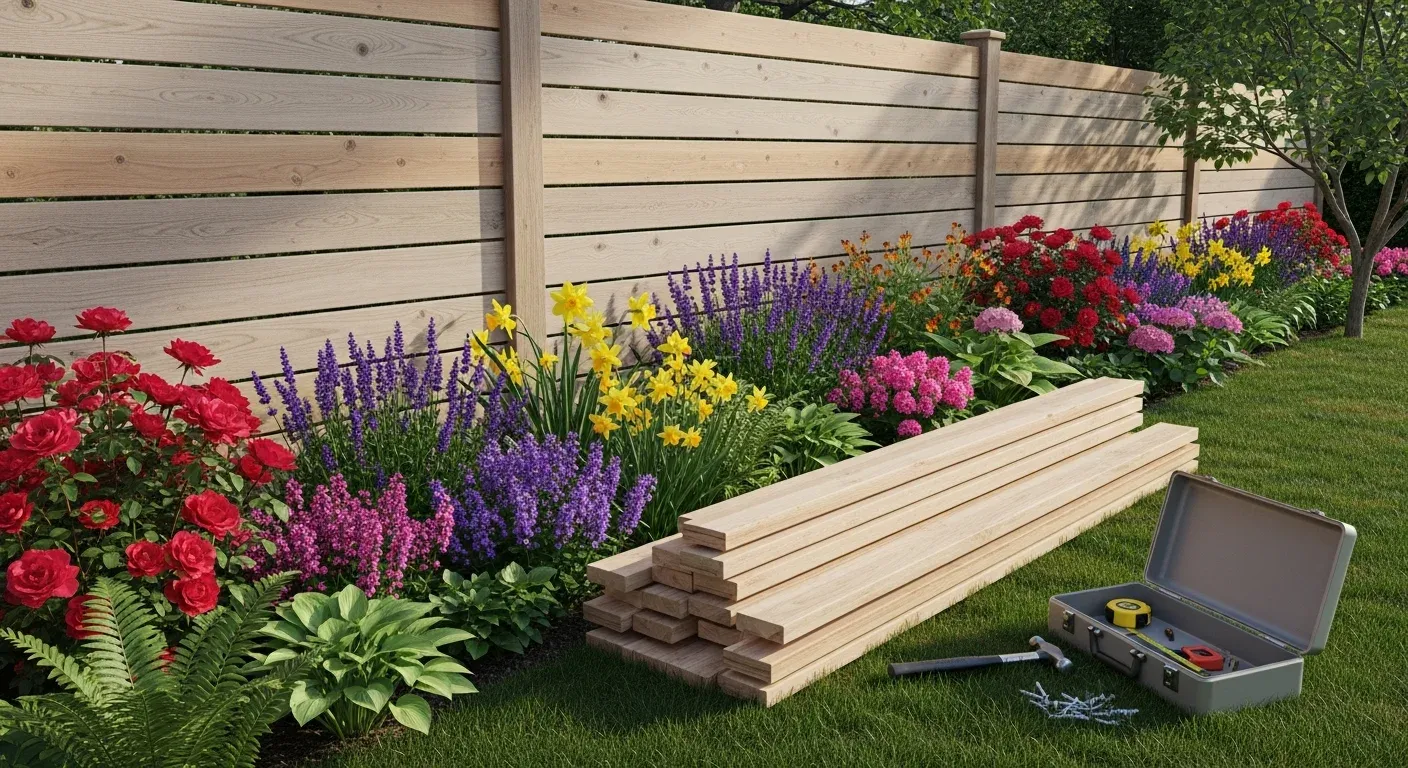
A wooden garden fence does much more than mark the edge of your property-it creates a sense of privacy, keeps pets safe, and can serve as a striking backdrop for your plants and flowers. Tackling the project yourself is not only satisfying, but also adds real character and value to your home. With a bit of planning and the right materials, even first-time builders can create a fence that’s both attractive and long-lasting. Here’s how to approach the job step by step, from the first measurements to finishing touches that make your fence truly yours.
Defining Your Fence’s Purpose and Style
Deciding What Your Garden Needs Most
Before you start buying timber or digging holes, take a moment to consider what you want your fence to achieve. Is privacy your top priority, or do you simply want to add a decorative border? Maybe you need to keep pets safe, or you dream of a fence covered in climbing roses. The purpose of your fence will shape decisions about height, material, and style-so get clear on your goals before you move forward.
Picture the look you want: a classic picket fence, solid panels for maximum seclusion, or perhaps a design that incorporates trellis or lattice work for added charm. Your choice here will influence every step that follows.
Measuring and Laying Out the Fence Line
Accurate measurements are the foundation of a well-built fence. Use a tape measure to determine the full perimeter of the area you want to enclose. Mark the corners with sturdy wooden stakes and stretch a string between them-this will serve as your guide and help you visualize the final layout. Take your time here; a straight, evenly spaced fence starts with careful preparation.
Choosing Timber and Hardware That Last
Selecting the right wood is crucial, both for the look of your fence and for how well it stands up to the weather. Popular choices include pressure-treated softwood, cedar, or oak, each with its own blend of cost, durability, and visual appeal. Invest in galvanized or stainless steel fasteners-these will prevent rust and ensure your fence remains sturdy for years. Decide if you want to use pre-made panels or build your fence board by board for a custom finish.
Gathering Tools and Materials for the Job
Tools to Make the Work Easier
Before you get started, make sure you have everything you need on hand. At a minimum, you’ll want:
- Tape measure and pencil
- Saw (either a hand saw or circular saw)
- Post hole digger or auger
- Spirit level
- Hammer and/or power drill
- Spade and wheelbarrow
- String line and additional stakes
Having the right tools ready at the start makes the whole project smoother and more enjoyable.
Picking Out Quality Timber
Go for rot-resistant options like cedar or pressure-treated pine, especially if your fence will be exposed to rain and sun. Look for wood that’s certified by sustainability programs such as FSC or PEFC if you want to make an eco-friendly choice. Take a close look at each board-avoid pieces with warping or large knots, as these can weaken the finished fence.
Gathering Extra Supplies
Alongside your timber, you’ll need:
- Galvanized nails or exterior-grade screws
- Concrete mix for setting posts
- Protective wood stain or paint
- Gravel for drainage (optional)
- Hinges and latches for any gates
Getting the Ground Ready and Setting Posts
Clearing and Leveling Your Fence Line
A stable, professional-looking fence starts with a clear and level base. Remove any plants, rocks, or debris along the fence line. Use a spade to even out any bumps or dips-taking the time to do this now will pay off when you’re assembling the fence.
Digging Holes and Installing Posts
Mark where each post will go, keeping them 1.8 to 2.4 meters (6-8 feet) apart, depending on your chosen panel width. Use a post hole digger to make holes at least 60 cm (2 feet) deep. Add a few inches of gravel to the bottom of each hole for drainage-this helps prevent rot at the base of your posts. Place the post in the hole, check that it’s perfectly upright with a spirit level, and fill the space with concrete. Let the concrete set fully (usually 24-48 hours) before moving on.
Ensuring Drainage and Strength
Spacing your posts evenly and making sure each one is upright will keep your fence aligned and sturdy. Don’t skip the gravel at the bottom of each hole-this simple step can significantly extend the life of your fence.
Assembling and Installing Fence Panels
Building Custom Panels
If you’re building panels yourself, cut your boards to the correct size and assemble them on a flat surface. Secure boards to horizontal rails using galvanized screws or nails. Adding a trellis or lattice to the top of your panels can give your fence a unique, decorative finish.
Securing Panels to Posts
Once your posts are firmly set, attach the panels with exterior-grade screws or sturdy brackets. Use a spirit level to ensure every panel is straight and evenly spaced-attention to detail here results in a fence that looks and feels professionally built. For extra strength, secure each panel at both the top and bottom rails.
Adding Personal Touches
Consider adding features like trellises for climbing plants, or use lattice for a lighter, more open feel. You can also blend your fence with other garden elements-integrating decking boards creates a smooth transition from patio to fence and brings your outdoor space together.
Protecting and Maintaining Your Fence
Applying a Protective Finish
A high-quality wood stain, paint, or clear sealant is your fence’s first line of defense against the elements. Choose products designed for outdoor use to protect against rain, UV rays, and insects. Apply at least two coats, following the manufacturer’s instructions for best results.
Ongoing Care for a Long-Lasting Fence
Check your fence regularly for loose boards, signs of rot, or other damage. Wash it down with mild detergent and water as needed, and reapply protective finishes every few years. Prompt repairs and regular maintenance will help your fence look great and last much longer.
Enhancing Your Fence with Extra Features
Gates, solar lights, or decorative post caps can add personality and function. Hang planters or baskets from the fence, or use complementary materials such as decking boards for a cohesive garden design that makes your outdoor space more inviting.
Staying Safe and Respecting Regulations
Checking Local Rules and Getting Permission
Before you begin building, find out about local regulations-some areas have rules about fence height, style, or required permits. It’s always better to check first than to face issues later.
Prioritizing Safety During Construction
Wear sturdy gloves, safety goggles, and proper footwear throughout the project. Follow instructions for all tools, especially power tools and when mixing concrete. Take your time and don’t rush heavy lifting.
Being a Good Neighbor
Double-check that your fence is entirely within your property boundaries. Talking to neighbors before you start-especially if your fence borders their property-can prevent misunderstandings and keep relationships positive.
A wooden garden fence is more than just a boundary-it’s an opportunity to express your style and make your outdoor area truly your own. With thoughtful planning, quality materials, and attention to detail, you’ll create a fence that’s both beautiful and built to last. Remember to invest in the finishing touches, and don’t hesitate to personalize your project with features like decking boards or decorative accents. Happy building-your new fence will be a source of pride for years to come.